
BC Cancer (Fall 2023 - Spring 2024)
As a Mechatronics Engineer Co-op Student at BC Cancer Research in Molecular Oncology at the Aparicio Lab, I undertook several critical projects that supported innovative cancer research technologies. My primary focus was on designing, building, and programming advanced fluidics and imaging systems to facilitate sophisticated sequencing and cell analysis experiments.
In the Expansion Sequencing (Ex-SEQ) project, I engineered a comprehensive fluidics system that included a valve positioner, peristaltic pump, and a custom cover slip shaker, which I designed using SolidWorks and manufactured with 3D printing technology. I programmed the functionality of these components using Python and C++, utilizing serial communication and hex code to ensure precise control. To monitor and analyze fluid exchanges between solutions, I employed a spectrophotometer with rhodamine dyes. I also calculated the flow rates for different buffer solutions and then measured them to validate against the theoretical values. Additionally, I developed a graphical user interface (GUI) using Tkinter to manage fluidic operations and various sequencing stages, providing a user-friendly platform for experimental control and automation.
For the Multiplexed Error-Robust Fluorescence In Situ Hybridization (MERFISH) project, my responsibilities included running experiments, optimizing the existing code, and enhancing the user interface. This project, primarily implemented in MATLAB, required me to redesign an outdated syringe pump to achieve a faster flow rate and increased fluid capacity. By applying reverse engineering techniques and utilizing SolidWorks and 3D printing, I successfully implemented a more efficient solution.
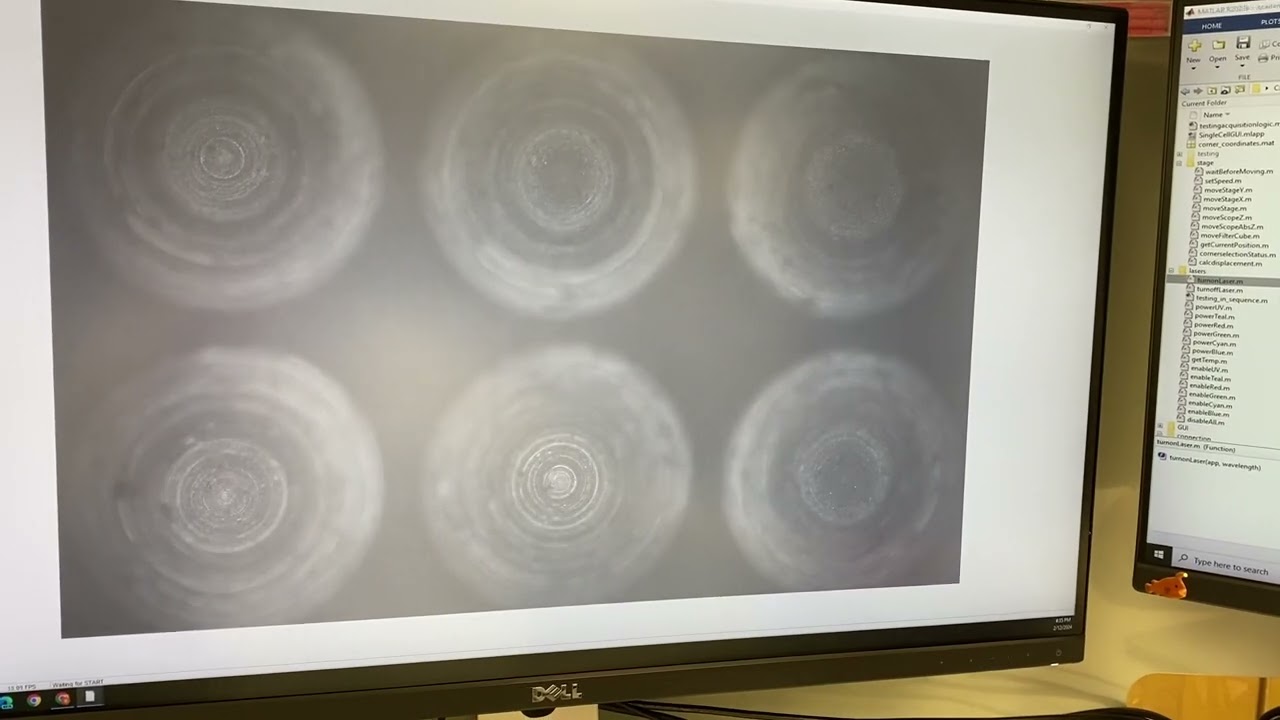
In the Single Cell Analysis System project, I developed an acquisition system to scan a 72x72 chip containing cancer cells, determining their viability. This involved programming lasers, stepper motors, cameras, `microscopes using hexadecimal communication to capture precise images of the cells. The images of the cells were captured in a 2x3 grid, breaking the chip down into a 36x24 grid, and the images needed to be split up and saved after capturing. I ensured consistent imaging depth across all cells by creating a plane to describe the chip and dynamically adjusting the system accordingly. For the image analysis, I used MATLAB and Java to apply thresholding values and computer vision techniques to classify cells as alive or dead. I also created a tile view of the pseudo-color images after they were concatenated, with cells circled in different colors based on their status, allowing technicians to verify and adjust thresholds if needed or to change a cell’s status manually. The analyzed data was then exported to an Excel file with multiple sheets for further bioinformatics analysis. This acquisition and analysis code is now used at least seven times a week in the Aparicio Lab, playing a crucial role in studying the effects of various drugs on cancer cells.
Throughout my co-op, I demonstrated proficiency in software and programming (Python, C++, MATLAB, Java), 3D modeling and prototyping (SolidWorks, 3D printing), control systems (serial communication, control theory), and imaging and analysis (spectrophotometry, computer vision). My contributions have significantly advanced the experimental capabilities of the Aparicio Lab, ensuring reliable data acquisition and analysis crucial for ongoing cancer treatment studies.
Smcn consulting inc. (Spring 2023)
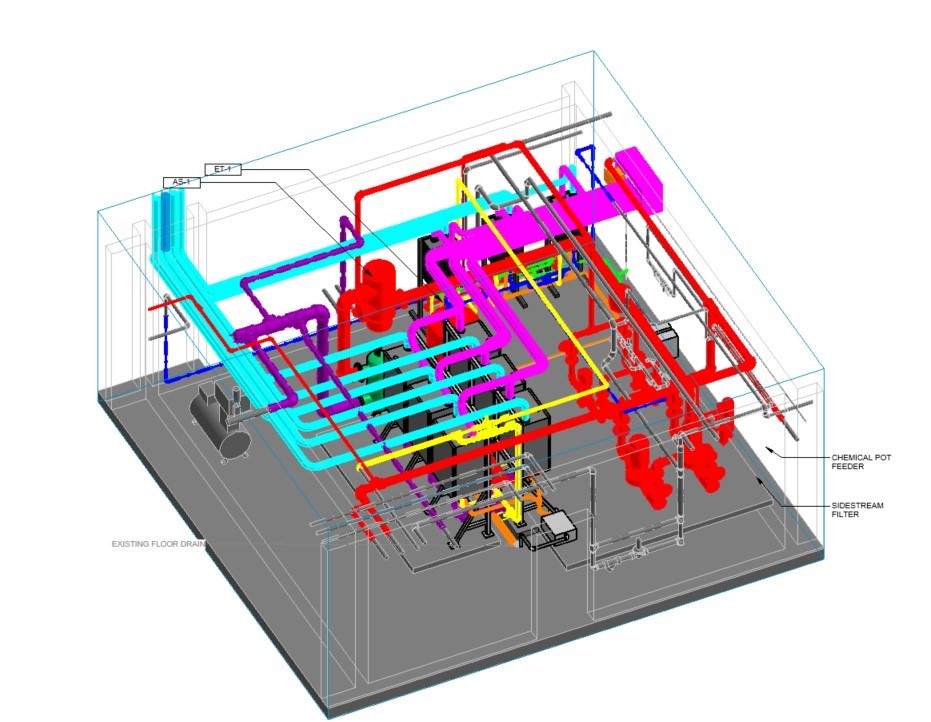
During my time at SMcN, I held the role of Design Engineer, where I gained extensive expertise in the development of HVAC systems for various buildings. Through my involvement in numerous projects, I honed my skills in Revit, enabling me to accurately size ducts and create comprehensive designs. I was also proficient in the use of 3D scanning technologies, allowing me to generate precise building models that were integrated seamlessly into AutoDesk Recap and Revit. Additionally, I demonstrated exceptional Excel proficiency, playing a role in the development of a sophisticated room summary spreadsheet, complete with advanced macros, complex formulas, and drop-downs. Throughout my time at SMcN, I worked collaboratively with diverse cohorts and regularly communicated with project managers to ensure project success.
Herold Engineering ltd. (SUMMER 2022)
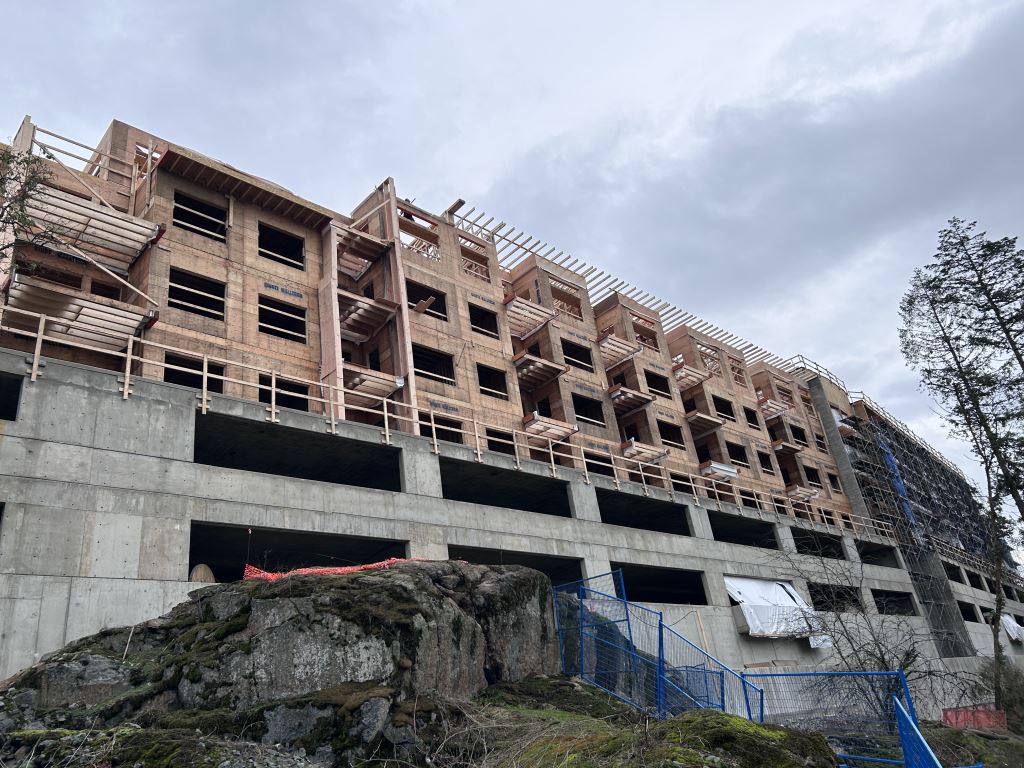
During my time at Herold Engineering as a Consulting Civil Engineer, I was primarily responsible for creating base plans for multiple projects, utilizing AutoCAD. I conducted surveys of sites and expertly imported point clouds into AutoCAD, creating a surface to incorporate into the base plans. In addition, I was an integral part of the team in the development of spreadsheets used for FUS calculations. Another significant task I successfully accomplished was the creation of over 300 different drop-downs for a library of pipe fittings and valves in AutoCAD. Towards the end of my co-op, I was entrusted with the task of creating an engineering report on Herold Engineering, where I opted to highlight the applications of Artificial Intelligence in Civil Engineering. My dedication and enthusiasm toward this project were rewarded well by my co-op advisor who gave me a grade of 98%.